
Eastern Wisdom Traditions in Mindfulness
Explore the profound wisdom of Eastern philosophy, from ancient traditions to modern insights. Discover teachings from Buddhism, Taoism, Confucianism, and more to enrich your life and perspective.


Advaita Vedanta and the Quiet Mystery of Non-Dual Consciousness
If you’ve ever sensed that the boundaries between self and world are softer than they appear, you are not alone. Advaita Vedanta invites us into the spaciousness of non-dual awareness—a truth that can be felt in the hush of dawn, or in the silent connectedness between all living things.

The Four Noble Truths: Returning to the Heart of Mindfulness
Often, the world arrives with ache and hunger for understanding. Here, in the heart of Buddhist wisdom, the Four Noble Truths offer a gentle way back—an invitation to meet our lives as they truly are, with presence and openness.
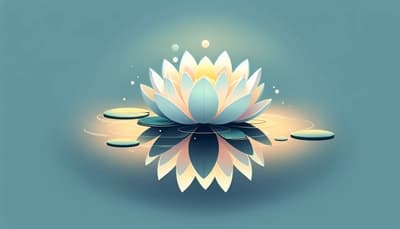
Lotus Symbolism in Yoga and Vedanta: Blooming Beyond the Mud
The lotus catches our gaze not just for its beauty, but for the quiet story it carries—a promise that something sacred may rise from what feels tangled and unclear. In the traditions of yoga and Vedanta, the lotus holds layers of meaning, each petal unfolding a new way to meet our own consciousness.

Consciousness in Classical Yoga and the Invitation of the Contemporary Mind
We meet consciousness in many forms—old as mountain stone, fresh as rain. In the space where classical yoga touches the present, what shifts, what stays, and how do we sense the living edges between tradition and now?
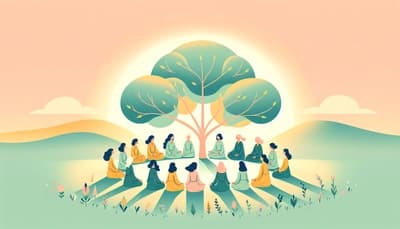
Women in Buddhist Mindfulness: Tracing the Quiet Power of Practitioners and Teachers
Across centuries and quiet dawns, women have carried the teachings of Buddhist mindfulness—often softly, sometimes boldly, always with care.

Buddhist Cosmology: Shifting Our Worldview Through Mindfulness
Maybe you’ve noticed how the world feels endlessly layered—sometimes overwhelming, sometimes quietly wondrous. In the soft, patient gaze of mindfulness, Buddhist cosmology unfolds less as a distant myth and more as a living invitation to see our lives with wider, deeper eyes.