

Universal Wisdom: What Threads Connect Our Mindful Traditions?

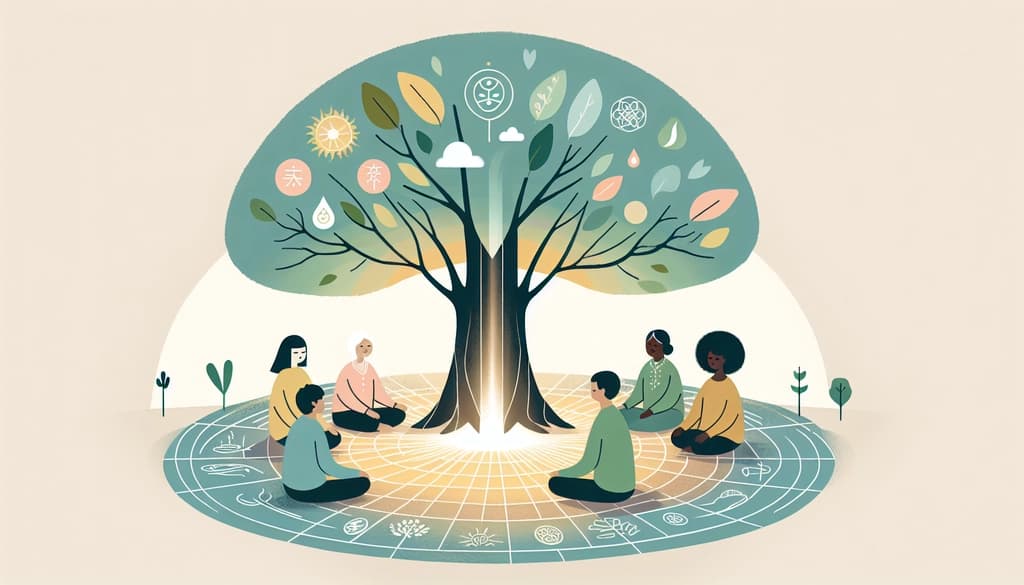
Beneath the restless canopy of thought, a quieter question stirs: what makes wisdom universal? In the hush before dawn, cultures old and new have pressed their hands to the earth, hoping to touch something deeper—a foundation unfixed by geography or names. We, too, pick up this gentle thread, tracing the lines of inquiry through the heart of mindful philosophy.
Sitting at the Crossroads of Wisdom Traditions
If you pause beside any river—be it the flowing Ganges or a snow-fed creek in the Alps—the water’s murmur reminds us: wisdom arises wherever humans meet their own heartache and longing. The world’s wisdom traditions are distinct rivers, each shaped by its land and people. Yet, beneath their unique surface stories, is there a shared undertow? For many, developing a framework for approaching universal wisdom helps clarify what is truly foundational in mindful philosophy, drawing out the essential qualities that might appear across cultures and times.
We might remember a lesson softly told by an elder, or a phrase caught on the wind at dusk. What values and vows echo between Sanskrit sutras, West African proverbs, and the silence of Alpine monasteries? What foundations do we build together—deliberately or through a slow, unspoken agreement with the world itself? Still, the core meaning of mindfulness gently shapes the way we even understand what 'wisdom' is, offering a starting point for deep reflection.
Feeling the Ground of Common Humanity
Sometimes, wisdom feels less like an answer and more like a capacity to stay present to uncertainty. You might imagine your own body resting on cool grass, breath rising and falling with the morning songbirds. Are there teachings that, across cultures, call us into relationship with this presence—life as it is, sorrow and sweetness alike? In this way, looking to ancient traditions in mindful philosophy can deepen our understanding, showing recurrent patterns and values that have rooted themselves over centuries.
- Noticing suffering—and responding with kindness
- Honoring impermanence and change
- Being awake to breath, sensation, and aging—moment by moment
- Seeking harmony within the self and with the greater web of life
Do these threads appear in your own lineage—taught through story, ritual, or silence? As we look closer, we may also notice the subtle paradoxes in search of universal wisdom that invite us to rest in questions rather than chase definitive answers.
Nature’s Lesson: Wisdom as Weather, Not Stone
Sometimes we search for wisdom as if it were a monument—a single, lasting shape. But perhaps it is more like the shifting sky: a series of patterns, always forming and dissolving. Philosophies take root in the soil of different lands, shaped by wind, rain, and need. Exploring comparative mindful traditions such as those from China, India, Greece, and beyond, reveals the creative responses cultures bring to their deepest challenges, illuminating both contrast and kinship.
- Notice how your attention feels: Is it wide and curious, or tight and certain?
- Let your mind rest—what wisdom arises from silence?
- Allow your next breath to connect you with history, landscape, and a future not yet known.
Some see teachings like the Eightfold Path and universal values as echoes of a deeper pattern of virtue and presence weaving through humanity’s search for meaning. Universal wisdom may be less about sameness, and more about the ways we learn to notice, include, and protect what is precious in ourselves and one another.
Breathe with What’s Here
Sit for a moment and let the idea of universal wisdom rest on your heart, neither clinging nor pushing away. Feel the earth beneath you, the quiet throb of being alive. In the end, perhaps the wisest thing is simply this: to listen, openly and often, for the next invitation from your own inner and outer world.
FAQ
You May Also Like

Traditional Wisdom or New-Age Mindfulness? Finding What Grounds Us
In a world where ancient stories meet modern guidance, we often wonder which voice to trust. Here, the roots of traditional wisdom and the promise of new-age mindfulness philosophy intertwine—inviting us to listen for what rings true inside.

Applied Wisdom: Weaving Philosophy Into Daily Mindfulness
Philosophical wisdom need not remain abstract—each day offers small, living places to let insight become action. In these pages, we explore how timeless ideas meet the rhythm of your own breath and morning light.

Forgiveness and Letting Go: An Ethical Invitation in Mindful Philosophy
Some aches remain after apology fades. Forgiveness, in a mindful philosophy, is not about forgetting—it is the brave work of softening our grip on the pain, body and breath anchoring us as we learn to let go, ethically and gently.

Workplace Mindfulness: Ancient Roots, Modern Relevance
In the hush before emails and meetings, something older than the day stirs beneath the clatter. Workplace mindfulness remains not only relevant, but quietly essential—a way to return to breath, to meaning, to the tide of presence amid all that pulses for our attention.

What Is Wisdom? Exploring Meaning Through Mindfulness and Philosophy
Wisdom is more than knowledge or age. It ripens quietly, like fruit in deep shade, shaped by experience, reflection, and a willingness to listen. In this gentle inquiry, we wander into what wisdom means—both as a word and as a way of living.

Mindfulness Exercises for Deepening Foundations: Wisdom in Action
You may long for something steady beneath the waves of thought—a place where insight finds ground. Here, mindful philosophy becomes more than words: it becomes the simple act of breathing, noticing, and living with gentle attention.

How Is Mindfulness Philosophy Different From Other Ways of Knowing?
What does it mean to live wisely, instead of merely knowing more? In this quiet reflection, we explore how mindfulness philosophy shapes the texture of experience, not just the content of thought.

Purpose and Fulfillment in the Wisdom of Mindfulness
You might wonder how mindfulness connects to a deeper sense of purpose—and whether fulfillment is something to be found, or remembered, moment by moment.

Collaboration in Neuroscience and Philosophy: How Modern Initiatives Are Shaping Mindfulness
Across universities and quiet research rooms, ideas move between disciplines like wind in the trees. Collaboration is no longer an abstract hope; it shapes how we understand mind, consciousness, and presence.

Empathy in Mind and Brain: Where Philosophy Meets Neuroscience
Empathy is more than a fleeting feeling — it’s how we sense another’s world. Here, we listen for its roots in both mind and body, letting science and philosophy shape the inquiry.