
How Eastern Art and Poetry Shape Mindful Thinking

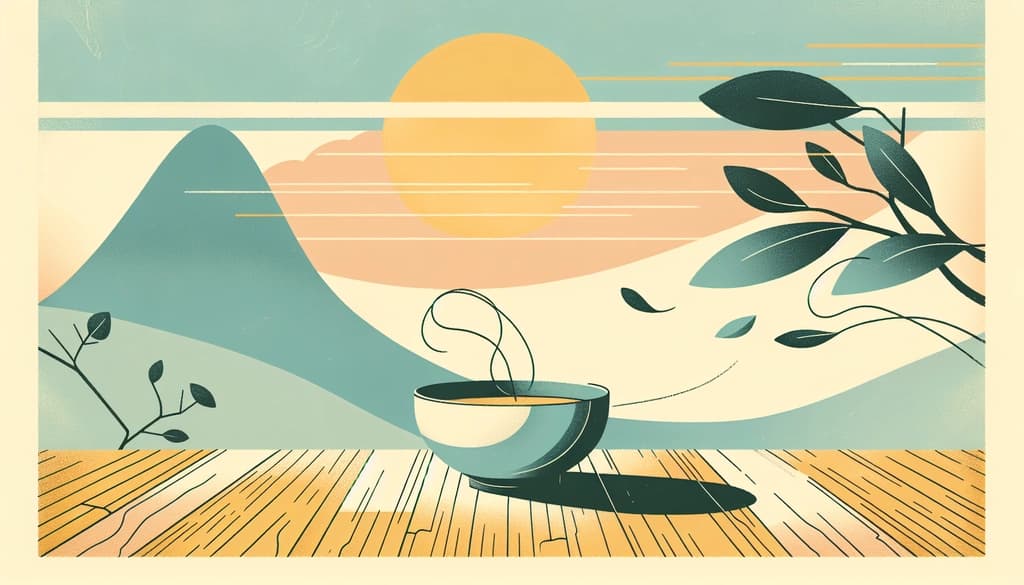
Some days, the mind skims like wind over water, restless, intent on naming and knowing. Yet elsewhere—in a sweep of Japanese ink, an unfinished Chinese landscape, a brief haiku—there is permission to not explain, only witness. The influence of eastern art and poetry on mindful thinking lies in these silent offerings.
In the Space Between Brushstrokes
Eastern art favors absence as much as presence: a swath of unpainted paper, a pale horizon where sky meets mountains, the hush around a calligrapher’s brush. When we look, we are asked to slow down—to rest in the practice of seeing without rushing to fill the unknown.
Poetry and art often immortalize Eastern maxims and mindful sayings, making abstract wisdom tangible with just a few deliberate strokes or words that invite the mind to pause and reflect.
In my own wandering through galleries and books, I remember pausing before a sumi-e painting, struck not by detail, but by what was left unsaid. It felt like standing by a lake at dawn, mist rising, each sound heightened by quiet. How often do we meet our thoughts this way—leaving space for what has not yet arrived?
- Notice how the empty spaces guide your eyes
- Feel what emerges when you pause before meaning
- Let the moment be unfinished—and enough
The Weather of a Haiku: Poetry as Presence
If a painting is landscape, a poem is weather—shifting, intimate, alive. Eastern poetry, especially haiku, captures a season’s breath in just a few words. Its brevity urges us to taste what is here, not what we wish for. A frog jumps, a blossom falls, the moon’s reflection ripples. Each suggests, rather than explains.
Seasonal cycles in Eastern art frequently evoke mindful presence through poetic imagery. Subtle shifts of color, the curve of a single plum branch, or the faint hush of snow become invitations to notice change and impermanence—both within and around us.
- Pause with a single image or phrase
- Notice the small weather inside your body—breath, pulse, warmth
- Allow meaning to emerge like sunrise over a distant hill
Mindful Thinking: An Art of Allowing
The study of Zen aesthetics and simplicity brings new meaning to the interplay between art and mindfulness, showing how beauty arises naturally from space, absence, and the care taken with each movement.
Zen calligraphy as mindful art demonstrates how creative practice can embody awareness and flow—each stroke a meeting of intention, breath, and impermanence.
Artistic expression can also reflect the practice of allowing and surrender in Zen, where beauty lies in impermanence—not in perfection but in presence itself.
- Let your next breath be a soft beginning
- Welcome pauses in thought as open sky
- Return to what you notice, without needing to change it
In the end, eastern art and poetry offer not answers but invitations—to inhabit each line, each silence, each ordinary afternoon, as if it were a fleeting masterpiece. Perhaps mindful thinking begins, always, in what is quietly left unsaid.
FAQ
You May Also Like

Buddhist Wisdom in the Modern World: Shaping Mindfulness and Meaning
Somewhere between sunlight scattered on city streets and the hush of ancient temples, Buddhist wisdom still whispers. This piece explores how old teachings find new roots in our daily rhythms, offering quiet guidance within the rush and hum of modern life.
Shinto, Mindfulness, and the Quiet Path to Harmony
So much of what soothes us is older than words. Shinto’s gentle wisdom lives in moss, water, and morning air—inviting us to notice, to bow, and to return to harmony with all things.